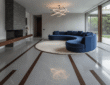



Your home’s floor is often the largest surface inside any room. I believe many people view it as just a functional base, something to walk on and keep clean. But I have seen firsthand how much impact a thoughtfully chosen floor can have on a space. It really sets the entire mood and overall feel of a design.
I understand that good design is about blending beauty with practical needs. The floor is no different here. It needs to look great and also stand up to daily life. This means considering durability and maintenance alongside aesthetic appeal.
Today I want to share why your floor is the ultimate design statement. We will discuss how it anchors your decor and reflects your personal style. It is truly the foundation of any successful interior design project.
The Foundational Role of Your Floor in Interior Design
The floor is the anchor of any room. It is the first thing I notice when I enter a space and it immediately communicates a sense of style. A well-chosen floor creates a cohesive base for all other design elements. It ties together furniture, wall colors and accessories.
Think about a classic hardwood floor. Its natural warmth and grain patterns offer an instant feeling of elegance. This kind of floor helps define the character of a living room or bedroom. It forms a backdrop that enhances any style from rustic to modern.
On the other hand a sleek tile floor suggests a different aesthetic. It often brings a sense of coolness and clean lines. This type of flooring works well in bathrooms or kitchens. The material itself communicates a lot about the room’s function and its overall vibe.
I find that many people choose wall colors or furniture first. They see these items as the main parts of design. But I always tell them to start with the floor. It is a large surface so it will dictate the flow and unity of your entire home. It is a critical decision that should not be an afterthought.
Choosing the Right Flooring Material for Every Room
Selecting the correct flooring material is crucial for both aesthetics and practicality. Different rooms have unique demands. A kitchen needs something robust because of spills and heavy foot traffic. A bedroom might prioritize comfort and warmth.
I always consider the function of each space. This helps narrow down the vast options available today. Matching the right material to the right room ensures both beauty and longevity for your home.
Hardwood Flooring for Warmth and Timelessness
Hardwood floors offer unmatched natural beauty. They bring warmth and a sense of history to any home. Many homeowners love hardwood because it lasts for a long time. It can be refinished multiple times over decades of use.
I find solid oak or maple are popular choices. They offer a range of stains and finishes. Engineered hardwood also provides versatility. It handles humidity better than solid wood so it works well in more places. Hardwood is great for living areas and dining rooms because it creates an inviting atmosphere.
Its timeless appeal means it never really goes out of style. You can change your decor around it easily. It offers a solid foundation for many design tastes.
Tile and Stone for Durability and Coolness
Tile and stone are excellent for high-moisture areas. They are also good for places that need extreme durability. Bathrooms and kitchens benefit greatly from these materials. They are resistant to water and can handle heavy use.
Ceramic and porcelain tiles come in countless colors and patterns. Natural stone like marble or granite adds a touch of luxury. These options offer a cool surface underfoot. This is a big plus in warmer climates because it helps keep the house feeling fresh.
Cleaning tile and stone is usually straightforward. This makes them practical choices for busy households. They require sealing sometimes but general upkeep is easy.
Carpet for Comfort and Sound Absorption
Carpet adds softness and comfort to any room. It is a popular choice for bedrooms and family rooms. The material helps absorb sound. This creates a quieter and more peaceful environment. This is especially true in homes with multiple levels because it muffles footsteps.
Many varieties of carpet exist. You can pick from plush styles for luxurious comfort. Low pile options are durable for high traffic. There are also many colors and textures. I often see people use carpet to add a cozy feel to their homes.
It can also provide insulation. This keeps rooms warmer in colder months. This is a practical benefit that many appreciate. The right carpet makes a space feel much more inviting and comfortable.
Color and Texture: Elevating Your Floor’s Impact
Beyond material, the color and texture of your floor play a huge role. These elements deeply affect how a room feels and looks. They influence everything from perceived size to emotional comfort. I always advise people to consider these aspects carefully.
Light colored floors can make a small room feel larger and brighter. They reflect light and create an open airy atmosphere. Darker floors, on the other hand, add depth and richness. They can make a large room feel cozier and more intimate. Choosing the right shade creates a specific ambiance.
Texture adds another layer of sensory experience. A smooth polished surface feels sleek and modern. It creates a formal look. A rougher, distressed wood or textured tile feels more rustic and casual. It invites a relaxed atmosphere.
We often underestimate how texture engages our senses. It is not just about how something looks but also how it feels underfoot. A soft carpet invites bare feet. A cool stone floor feels refreshing. These details make a big difference in daily living because they enhance comfort and enjoyment.
I believe that balancing color and texture achieves a dynamic design. You can layer rugs on smooth floors for added softness. You can also pick a subtle pattern in a dark wood to give interest without being overwhelming. Thoughtful choices here elevate your floor beyond a mere surface.
Pattern and Layout: Adding Visual Interest to Your Floor
The way your flooring is laid out creates visual patterns. These patterns can add significant interest to a room. They also direct the eye and influence the sense of space. I always look at how the planks or tiles will be arranged.
For instance, laying planks diagonally can make a narrow hallway appear wider. A herringbone pattern offers a classic yet dynamic look. Checkerboard tiles bring a playful or retro vibe to a kitchen. These patterns are not just decorative they are strategic design tools.
Smaller tiles or planks can make a room feel busier. Larger formats often give a cleaner, more expansive feel. The grout lines in tile installations also contribute to the overall pattern. A contrasting grout can highlight the pattern. A matching grout helps it blend in. This attention to detail defines the finished look.
We see many examples of how flooring patterns shape a room. A simple straight lay is calm and orderly. It is a good choice for minimizing visual distractions. A more complex parquet pattern creates a focal point on the floor itself. It adds a sophisticated layer to the design. Selecting the right pattern and layout helps you truly personalize your space and express a unique style.
The flooring choice really can be the element that anchors your entire room. For more insights on how flooring can enhance interior design, you can explore this topic.
Considering Practicality and Longevity of Your Floor
While aesthetics are important, I always emphasize practicality and longevity. A beautiful floor that quickly wears out causes more frustration than joy. It needs to withstand the demands of your household and daily activities. This is especially true for families with children or pets.
Maintenance requirements are also a key consideration. Some materials need regular sealing. Others require specific cleaning products. I advise clients to choose a floor that fits their lifestyle. Nobody wants to spend hours maintaining a floor when they could be enjoying their home. An easy-to-clean surface is often a top priority for busy individuals because it saves time and effort.
Investing in Quality for Lasting Appeal
Investing in higher quality flooring usually pays off over time. Cheaper materials might save money upfront. But they often need replacement sooner. This means more cost in the long run. Durable flooring materials stand up to scratches, dents and fading. They maintain their appearance for many years. This saves money and hassle.
Look for materials with good warranties and solid reviews. Talk to professionals about expected lifespan for various options. A quality installation also makes a big difference. It ensures the floor performs as it should for its full life. Good quality flooring is a foundational element in a home. It supports all aspects of daily living.
Understanding Environmental Impact
Many homeowners today consider the environmental impact of their choices. Sustainable flooring options are growing in popularity. Bamboo, cork and reclaimed wood are excellent eco-friendly materials. They offer beauty and performance with a smaller footprint. Recycled content tiles also reduce waste. These choices help protect the planet.
We also think about indoor air quality. Low-VOC (volatile organic compound) adhesives and finishes are important. They reduce harmful emissions in your home. This creates a healthier living environment. Choosing environmentally friendly floors benefits both your family and the earth. It is a smart decision for the future.
Integrating Your Floor with Smart Home Technology
The world of home design now includes smart technology. I have seen how floors are starting to integrate with these innovations. This brings new levels of convenience and efficiency to our homes. It adds a futuristic touch to everyday living spaces.
One exciting application is smart radiant floor heating. This technology allows you to control floor temperatures remotely. You can program it to warm up before you wake up. You can also adjust it from your phone. This creates optimal comfort and saves energy. It is a seamless way to enhance living quality.
Some advanced flooring systems even include sensors. These sensors can monitor foot traffic. They might adjust lighting based on movement. Imagine lights coming on softly as you step out of bed. These systems can also track activity levels. They offer insights into household patterns. This data helps us understand our homes better.
The possibilities are constantly expanding. We are seeing concepts like floors that charge devices wirelessly. Floors that display interactive patterns are also being developed. Integrating technology into your floor elevates its function. It moves it beyond just a design statement. It makes it a truly intelligent part of your home. This kind of integration shows how design and innovation work together for modern spaces.
Your Floor is More Than Just a Surface
I hope you can now see that your floor is far more than a simple covering. It is a powerful element of interior design. It sets the tone for your entire home. The right choice influences mood and style. It also impacts practicality and comfort. I believe that a floor can transform a space from ordinary to extraordinary.
From the timeless appeal of hardwood to the durability of tile and the softness of carpet, each material brings unique qualities. Considering color, texture, pattern and layout allows for endless creativity. Remember to balance these aesthetic desires with real-world needs like maintenance and longevity. Thoughtful planning ensures your floor looks good and performs well for many years. This careful consideration makes all the difference in a home.
I encourage you to view your floor as a canvas. Think about how it interacts with every other item in the room. Make choices that reflect your personality and enhance your daily life. Investing time in selecting the perfect floor is an investment in your home’s overall beauty and function. Your floor is truly the ultimate design statement, so make it a statement you love every single day.